Healthy Meal Plan for Beginners: A Simple 7-Day Guide
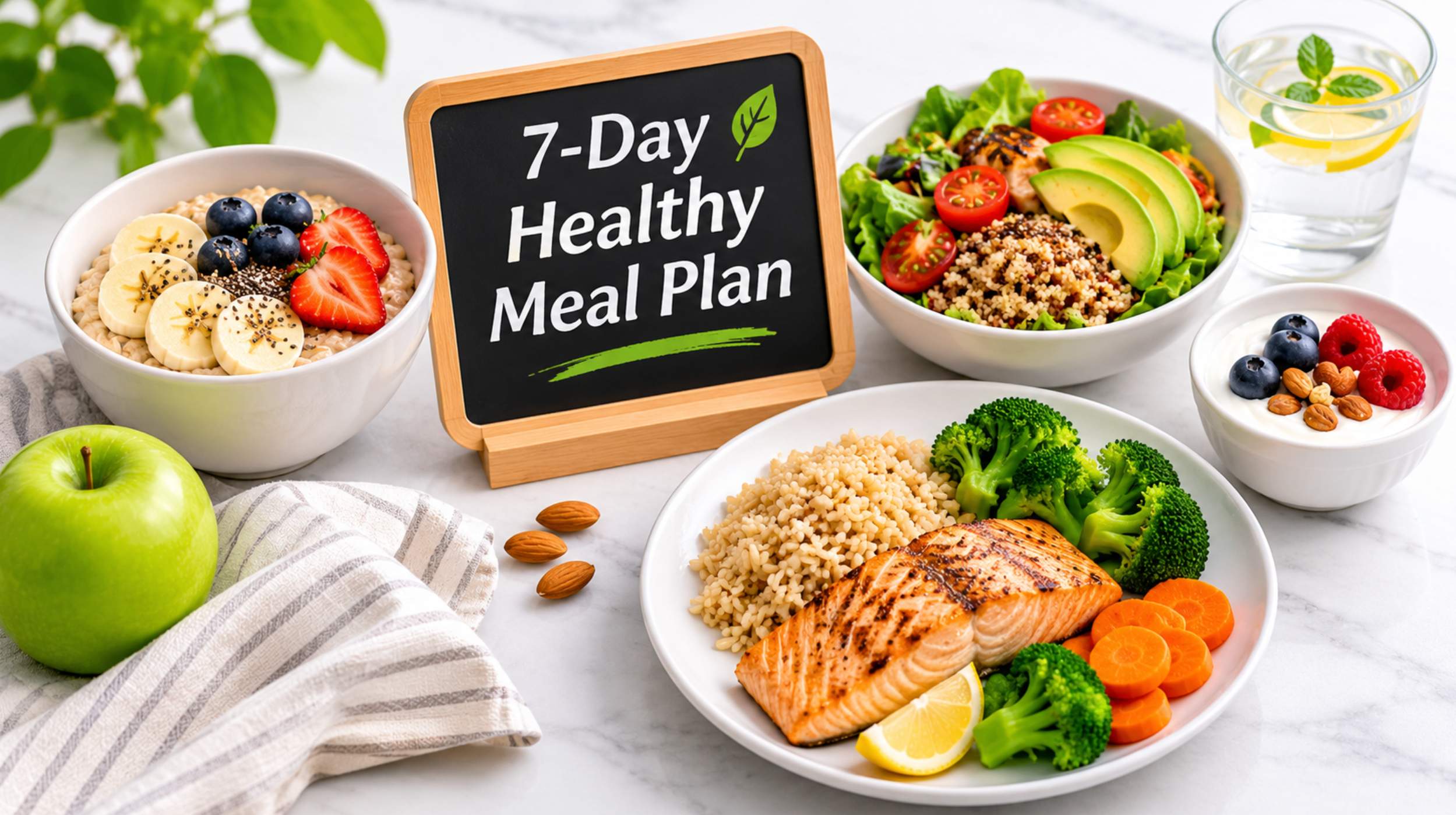
Eating healthy doesn’t have to be complicated, expensive, or restrictive. You don’t need to follow a strict diet, skip your favorite foods, or spend hours preparing meals to improve your eating habits.
A healthy meal plan for beginners can help you organize your meals, include a variety of nutritious foods, and make everyday eating decisions easier.
The key is balance. A healthy eating pattern generally includes vegetables, fruits, whole grains, protein-rich foods, and sources of healthy fats.
Whether you’re trying to improve your eating habits, prepare meals at home, or create a more consistent routine, this simple seven-day meal plan offers practical ideas for breakfast, lunch, dinner, and snacks.
For more healthy lifestyle information, explore the Health & Fitness category at Magazine Insightes.
What Is a Healthy Meal Plan?
A healthy meal plan is a structured approach to choosing meals that provide a variety of nutrients.
Instead of focusing on a single food or restrictive diet, it encourages balanced eating over time.
A practical meal plan includes:
- Vegetables and fruits.
- Whole grains.
- Protein sources such as fish, eggs, beans, and poultry.
- Dairy or suitable fortified alternatives.
- Nuts, seeds, and other sources of unsaturated fats.
- Water and other suitable beverages.
According to the USDA MyPlate guidelines, building meals around different food groups can help support a balanced eating pattern.
The ideal amount of food varies depending on age, activity level, body size, health needs, and other individual factors.
Benefits of Following a Healthy Meal Plan
1. Makes Everyday Eating Easier
Planning meals in advance reduces the need to make last-minute food decisions.
It can also help you organize grocery shopping and meal preparation.
2. Encourages Nutritional Variety
A balanced meal plan makes it easier to include different vegetables, fruits, grains, and protein sources throughout the week.
3. Helps Manage Grocery Spending
Planning meals around ingredients you already own can reduce unnecessary purchases.
4. Supports Consistent Eating Habits
Having meals prepared or planned can make regular eating easier during busy days.
5. May Help Reduce Food Waste
Using overlapping ingredients across several recipes can help prevent unused food from spoiling.
Simple 7-Day Healthy Meal Plan for Beginners
This meal plan is intended as a flexible example for generally healthy adults. It is not a personalized calorie-controlled diet.
Adjust portion sizes and ingredients according to your appetite, dietary preferences, activity level, and nutritional needs.
Day 1: Start With Balanced Basics
Breakfast: Oatmeal With Banana and Nuts
Prepare rolled oats with milk or a fortified alternative. Add sliced banana, chopped walnuts, and cinnamon.
Lunch: Grilled Chicken and Brown Rice Bowl
Combine cooked brown rice, grilled chicken, cucumber, carrots, and leafy greens. Add olive oil and lemon dressing.
Dinner: Baked Salmon With Vegetables
Serve baked salmon with roasted broccoli, carrots, and a baked sweet potato.
Snack: Plain yogurt with fresh berries.
Beginner tip: Cook extra brown rice for another meal later in the week.
Day 2: Add More Vegetables
Breakfast: Scrambled Eggs and Whole-Grain Toast
Serve scrambled eggs with whole-grain toast and sliced tomatoes.
Lunch: Chickpea and Vegetable Salad
Combine chickpeas, cucumber, tomatoes, bell peppers, and leafy greens with lemon dressing.
Dinner: Chicken and Vegetable Stir-Fry
Cook chicken with broccoli, carrots, and bell peppers. Serve with brown rice.
Snack: Apple slices with peanut butter.
Beginner tip: Frozen vegetables can be a convenient and nutritious option.
Day 3: Focus on Fiber-Rich Foods
Breakfast: Greek Yogurt With Fruit and Oats
Combine plain Greek yogurt, rolled oats, berries, and chia seeds.
Lunch: Lentil Soup With Whole-Grain Bread
Prepare lentil soup with carrots, onions, tomatoes, and herbs.
Dinner: Baked Chicken With Quinoa
Serve seasoned baked chicken with quinoa and steamed green beans.
Snack: A pear and a small handful of unsalted nuts.
Beginner tip: Lentils and beans provide fiber and plant-based protein.
Day 4: Keep Meals Simple
Breakfast: Vegetable Omelet
Prepare an omelet with spinach, tomatoes, and mushrooms. Serve with whole-grain toast.
Lunch: Tuna and White Bean Salad
Combine canned light tuna, white beans, cucumber, tomatoes, and olive oil dressing.
Dinner: Whole-Wheat Pasta With Vegetables
Prepare whole-wheat pasta with tomato sauce, zucchini, mushrooms, and a protein source such as beans or chicken.
Snack: Carrot sticks with hummus.
Beginner tip: Choose canned tuna varieties with lower mercury levels, especially if pregnant or breastfeeding, and follow relevant seafood guidance.
Day 5: Try Plant-Based Meals
Breakfast: Overnight Oats
Combine oats, milk or a fortified alternative, chia seeds, and sliced fruit. Refrigerate overnight.
Lunch: Quinoa and Black Bean Bowl
Serve quinoa with black beans, corn, tomatoes, lettuce, and avocado.
Dinner: Tofu and Vegetable Stir-Fry
Cook tofu with broccoli, bell peppers, carrots, and a modest amount of reduced-sodium sauce. Serve with brown rice.
Snack: Orange slices and unsalted almonds.
Beginner tip: Plant-based meals can provide protein when they include foods such as beans, lentils, tofu, and nuts.
Day 6: Prepare a Colorful Plate
Breakfast: Whole-Grain Toast With Avocado and Egg
Top whole-grain toast with mashed avocado and a cooked egg.
Lunch: Chicken and Vegetable Wrap
Fill a whole-wheat tortilla with cooked chicken, lettuce, cucumber, tomatoes, and yogurt-based dressing.
Dinner: Baked Fish With Roasted Vegetables
Serve baked fish with roasted carrots, zucchini, and potatoes.
Snack: Plain yogurt with sliced fruit.
Beginner tip: Include vegetables of different colors throughout the week.
Day 7: Finish With Easy Home-Cooked Meals
Breakfast: Oatmeal With Apple and Cinnamon
Prepare oatmeal with diced apple, cinnamon, and chopped nuts.
Lunch: Lentil and Brown Rice Bowl
Combine cooked lentils, brown rice, roasted vegetables, and lemon dressing.
Dinner: Homemade Chicken and Vegetable Soup
Prepare soup with chicken, carrots, celery, onions, and whole-grain noodles or another grain.
Snack: Banana with peanut butter.
Beginner tip: Review which meals you enjoyed and repeat them the following week.
7-Day Healthy Meal Plan at a Glance
| Day | Breakfast | Lunch | Dinner |
|---|---|---|---|
| Monday | Oatmeal and banana | Chicken rice bowl | Salmon and vegetables |
| Tuesday | Eggs and toast | Chickpea salad | Chicken stir-fry |
| Wednesday | Yogurt and oats | Lentil soup | Chicken and quinoa |
| Thursday | Vegetable omelet | Tuna bean salad | Whole-wheat pasta |
| Friday | Overnight oats | Black bean bowl | Tofu stir-fry |
| Saturday | Avocado egg toast | Chicken wrap | Baked fish |
| Sunday | Apple oatmeal | Lentil rice bowl | Chicken vegetable soup |
This plan can be modified for vegetarian preferences, food allergies, cultural food choices, and available ingredients.
How to Build a Balanced Healthy Plate
One practical approach is to think about the major food groups on your plate.
Fill About Half Your Plate With Vegetables and Fruit
Choose a variety of colors and types.
Examples include broccoli, spinach, carrots, tomatoes, apples, oranges, and berries.
Include Whole Grains
Brown rice, oats, quinoa, and whole-wheat bread are useful options.
Whole grains provide fiber and other nutrients.
Add Protein-Rich Foods
Choose from fish, poultry, eggs, beans, lentils, tofu, and other suitable sources.
Include Healthy Fat Sources
Olive oil, nuts, seeds, and avocado provide unsaturated fats.
Choose Suitable Beverages
Water is a practical everyday choice.
For additional nutrition guidance, visit the Harvard Healthy Eating Plate.
Healthy Grocery Shopping List for Beginners
A shopping list can make meal preparation easier and reduce unnecessary spending.
| Category | Foods to Consider |
|---|---|
| Vegetables | Spinach, broccoli, carrots, tomatoes, cucumbers |
| Fruits | Apples, bananas, oranges, berries |
| Whole grains | Oats, brown rice, quinoa, whole-wheat bread |
| Protein | Eggs, chicken, fish, beans, lentils, tofu |
| Dairy or alternatives | Plain yogurt, milk, fortified alternatives |
| Healthy fats | Olive oil, nuts, seeds, avocado |
| Pantry essentials | Herbs, spices, canned tomatoes, low-sodium broth |
Choose seasonal produce and affordable local alternatives when possible.
Easy Meal Prep Tips for Beginners
1. Plan Before Shopping
Review your schedule and decide which meals you want to prepare.
Make a grocery list based on the ingredients required.
2. Cook Grains in Batches
Preparing brown rice or quinoa in advance can save time.
Refrigerate cooked grains promptly in shallow containers and follow food-safety storage guidance.
3. Prepare Vegetables
Wash and cut vegetables when appropriate.
Store them safely and separately from raw meat.
4. Use Leftovers Carefully
Leftover cooked chicken, beans, and vegetables can be used in salads, wraps, and bowls.
Refrigerate perishable foods promptly and reheat leftovers thoroughly.
5. Keep Simple Ingredients Available
Oats, canned beans, frozen vegetables, eggs, and whole grains can help you prepare nutritious meals without extensive cooking.
For food storage and handling guidance, consult FoodSafety.gov.
How to Eat Healthy on a Budget
Healthy eating doesn’t have to involve expensive specialty foods.
Buy seasonal produce. Fruits and vegetables that are in season may be more affordable.
Use frozen vegetables. Plain frozen vegetables are convenient and can be nutritious.
Choose affordable proteins. Eggs, beans, lentils, and canned fish can provide economical protein options.
Compare unit prices. Larger packages aren’t always cheaper if some food goes unused.
Repeat versatile ingredients. Rice, oats, beans, and vegetables can be used in several different meals.
Reduce food waste. Plan portions realistically and store leftovers safely.
Common Healthy Meal Planning Mistakes
Skipping Entire Food Groups Without a Reason
Unnecessary restrictions can make it harder to obtain a variety of nutrients.
Following Extremely Low-Calorie Diets
Very restrictive diets may not provide sufficient energy or nutrients.
Ignoring Portion Needs
The same meal plan may not provide appropriate amounts of food for everyone.
Relying Only on Salads
A balanced diet can include grains, protein foods, healthy fats, fruits, and vegetables—not just salads.
Forgetting Food Safety
Improper storage and preparation can increase the risk of foodborne illness.
Expecting Perfect Eating Habits
Healthy eating is about overall patterns rather than making every meal perfect.
How Healthy Eating Supports an Active Lifestyle
Nutrition and physical activity work together to support overall health.
A balanced diet provides energy and nutrients, while regular physical activity supports cardiovascular fitness, muscular strength, and general well-being.
You don’t need to follow a complicated exercise or nutrition program to get started.
Try pairing your healthy meal routine with our 15-Minute Home Workout for Beginners.
The World Health Organization’s healthy diet guidance emphasizes dietary variety, fruits and vegetables, and limiting excessive sodium, free sugars, and unhealthy fats.
Frequently Asked Questions
What is the best healthy meal plan for beginners?
A practical beginner meal plan includes vegetables, fruits, whole grains, protein-rich foods, and healthy fats. The best plan is one that meets your nutritional needs and fits your lifestyle.
Can I follow a healthy meal plan without counting calories?
Yes. Many people can improve their eating habits by focusing on balanced meals, food variety, and appropriate portions without tracking every calorie.
Is a seven-day meal plan enough to improve eating habits?
A seven-day plan can help establish a routine, but long-term benefits depend on consistent habits over time.
Can I replace chicken with vegetarian protein?
Yes. Beans, lentils, tofu, tempeh, and other plant-based proteins can be suitable alternatives.
Are frozen vegetables healthy?
Yes. Plain frozen vegetables can provide valuable nutrients and are often convenient and affordable.
How much water should I drink each day?
Fluid needs vary based on age, activity, climate, diet, and health conditions. Drink regularly and follow individualized medical guidance when applicable.
Can this meal plan help with weight loss?
This plan is designed to encourage balanced eating, not to guarantee weight loss. Weight changes depend on individual energy needs and multiple other factors.
Is this meal plan suitable for everyone?
No single meal plan suits everyone. People who are pregnant, have diabetes, kidney disease, food allergies, eating disorders, or other specific nutritional needs may require individualized guidance from a qualified healthcare professional.
Final Thoughts
Creating a healthy meal plan for beginners doesn’t need to be difficult.
By choosing balanced meals, preparing ingredients in advance, and including a variety of nutritious foods, you can make everyday healthy eating more manageable.
This simple seven-day guide provides flexible meal ideas that can be adjusted to your preferences, budget, and lifestyle.
Remember that long-term consistency matters more than following a perfect diet.
Start with small changes, enjoy a variety of foods, and build habits that are practical for your daily life.
For more nutrition, exercise, and wellness advice, explore Health & Fitness at Magazine Insightes.
Disclaimer: This article provides general nutrition information and is not a personalized medical or dietary plan. Consult a registered dietitian or qualified healthcare professional for advice tailored to specific medical conditions or nutritional requirements.

Nora Parker is the founder of Magazine Insightes, specializing in celebrity news and lifestyle content. With nine years of experience in entertainment journalism and digital marketing, she holds certifications from ClickMinded SEO Training, LinkedIn Learning, HubSpot Content Marketing, Google Digital Garage, Semrush Academy, and Shaw Academy. Nora has authored over 2,500 articles and successfully executed 120+ SEO campaigns.