15 High-Protein Breakfast Ideas for a Healthy Morning
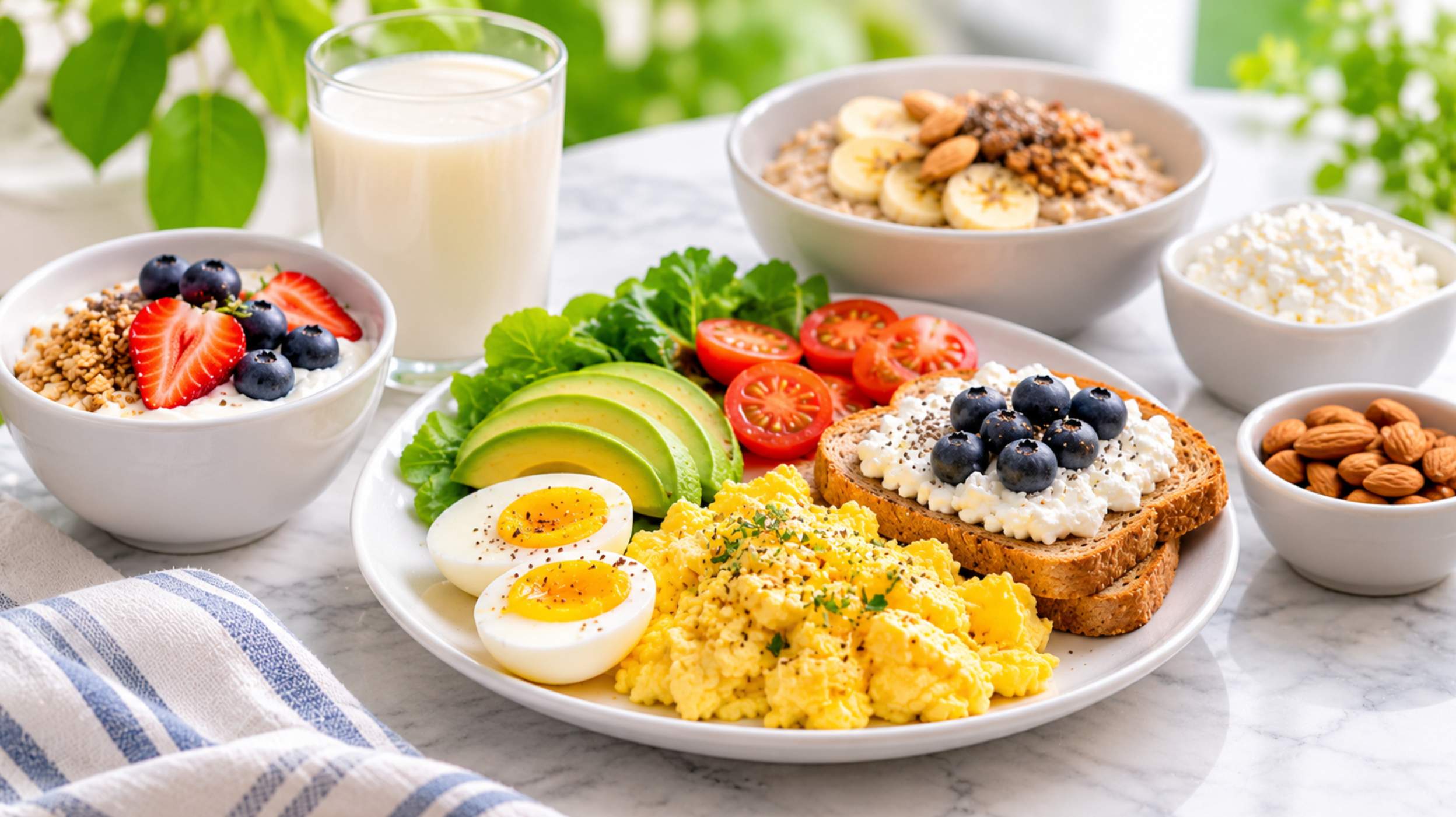
Starting your morning with a nutritious breakfast can be a practical way to support your daily energy and nutrition needs.
Protein is an essential nutrient that helps the body build and repair tissues, maintain muscle, and perform many important functions.
Including protein-rich foods at breakfast can also help make a meal more satisfying, especially when combined with fiber-rich carbohydrates and healthy fats.
The good news is that preparing a high-protein breakfast doesn’t have to be expensive, time-consuming, or complicated.
From eggs and Greek yogurt to oatmeal, beans, tofu, and cottage cheese, there are plenty of nutritious options for different tastes and dietary preferences.
In this guide, we’ll explore 15 easy high-protein breakfast ideas, their approximate protein content, and practical tips for creating balanced morning meals.
For more nutrition and wellness advice, explore the Health & Fitness category at Magazine Insightes.
Why Is Protein Important at Breakfast?
Protein is made up of amino acids that the body uses for growth, maintenance, and repair.
Eating protein throughout the day can help support normal body functions and muscle maintenance.
Protein-rich foods may also contribute to feelings of fullness after eating.
However, there is no single ideal amount of breakfast protein for everyone.
Your needs depend on factors such as body size, age, physical activity, overall diet, and medical conditions.
According to the Harvard T.H. Chan School of Public Health, protein quality and the overall food package matter alongside the quantity consumed.
A balanced breakfast should ideally include a variety of nutrients rather than focusing only on protein.
15 Easy High-Protein Breakfast Ideas
1. Greek Yogurt With Berries and Nuts
Greek yogurt is a convenient protein-rich food that requires almost no preparation.
Ingredients:
- ¾–1 cup plain Greek yogurt.
- ½ cup mixed berries.
- 1 tablespoon chopped almonds.
- A sprinkle of cinnamon.
How to prepare:
Place the yogurt in a bowl and top with berries, almonds, and cinnamon.
Approximate protein: 17–23 grams, depending on the yogurt and portion.
Choose unsweetened yogurt when possible and add fruit for natural sweetness.
2. Scrambled Eggs With Whole-Grain Toast
Eggs provide high-quality protein and several essential nutrients.
Ingredients:
- 2 large eggs.
- 2 slices whole-grain bread.
- 1 small tomato.
- A small amount of olive oil.
How to prepare:
Scramble the eggs over medium-low heat and serve with toast and sliced tomatoes.
Approximate protein: 18–22 grams.
Adding vegetables can increase the variety of nutrients in this meal.
3. Cottage Cheese With Fresh Fruit
Cottage cheese is a convenient option for people who enjoy dairy-based breakfasts.
Ingredients:
- 1 cup cottage cheese.
- ½ cup pineapple or berries.
- Cinnamon, if desired.
How to prepare:
Combine the cottage cheese and fruit in a bowl.
Approximate protein: 24–28 grams.
Check nutrition labels because protein and sodium content can vary by brand.
4. Protein-Rich Overnight Oats
Overnight oats are useful for busy mornings because they can be prepared in advance.
Ingredients:
- ½ cup rolled oats.
- ¾ cup plain Greek yogurt.
- ½ cup milk or fortified soy milk.
- 1 tablespoon chia seeds.
- Sliced banana or berries.
How to prepare:
Mix the ingredients in a covered container and refrigerate overnight.
Approximate protein: 20–27 grams.
This meal combines protein with fiber-rich oats and fruit.
5. Vegetable Omelet With Cheese
A vegetable omelet is an easy way to include protein and vegetables in one meal.
Ingredients:
- 2 eggs.
- ¼ cup shredded cheese.
- Spinach.
- Mushrooms.
- Chopped tomatoes.
How to prepare:
Cook the vegetables briefly, add beaten eggs, and sprinkle cheese on top.
Cook until the eggs are fully set.
Approximate protein: 19–23 grams.
6. Peanut Butter and Banana Toast With Milk
This breakfast is simple and uses ingredients that are easy to keep at home.
Ingredients:
- 2 slices whole-grain bread.
- 2 tablespoons peanut butter.
- 1 banana.
- 1 cup milk or fortified soy milk.
How to prepare:
Spread peanut butter over the toast and add banana slices. Serve with milk.
Approximate protein: 20–25 grams.
Choose peanut butter without excessive added sugar when available.
7. Tofu Scramble With Vegetables
Tofu scramble is a plant-based alternative to scrambled eggs.
Ingredients:
- 150 grams firm tofu.
- Spinach.
- Bell peppers.
- Onion.
- Turmeric and black pepper.
- Whole-grain toast.
How to prepare:
Crumble tofu into a pan with the vegetables and seasonings.
Cook until heated through and serve with toast.
Approximate protein: 17–24 grams, depending on the tofu.
This is a useful option for people following a vegan eating pattern.
8. Smoked Salmon and Egg Toast
Salmon and eggs can provide protein along with other important nutrients.
Ingredients:
- 1 slice whole-grain toast.
- 1 cooked egg.
- 2 ounces smoked salmon.
- Cucumber.
- Lemon juice.
How to prepare:
Layer the egg, salmon, and cucumber over toast.
Approximate protein: 20–24 grams.
Smoked salmon can contain substantial sodium. People who are pregnant, immunocompromised, or at higher risk of foodborne illness should follow relevant guidance about refrigerated smoked seafood.
9. Breakfast Burrito With Eggs and Beans
A breakfast burrito is filling, portable, and easy to customize.
Ingredients:
- 2 eggs.
- ½ cup cooked black beans.
- 1 whole-wheat tortilla.
- Tomatoes.
- Spinach.
- Salsa.
How to prepare:
Cook the eggs, warm the beans, and wrap everything in the tortilla.
Approximate protein: 23–28 grams.
Beans also provide fiber, which contributes to a balanced meal.
10. Chia Pudding With Greek Yogurt
Chia pudding can be prepared the night before.
Ingredients:
- 2 tablespoons chia seeds.
- ½ cup milk.
- ¾ cup Greek yogurt.
- Fresh berries.
How to prepare:
Combine chia seeds and milk, then refrigerate until thickened.
Top with yogurt and berries.
Approximate protein: 19–24 grams.
Chia seeds also contribute fiber and unsaturated fats.
11. Turkey and Egg Breakfast Sandwich
A homemade breakfast sandwich can be a practical alternative to highly processed takeaway breakfasts.
Ingredients:
- 1 whole-grain English muffin.
- 1 cooked egg.
- 2 ounces cooked, unprocessed turkey.
- Spinach.
- Tomato.
How to prepare:
Assemble the ingredients in a toasted English muffin.
Approximate protein: 25–30 grams.
Choose freshly cooked turkey when practical and keep added sodium moderate.
12. Quinoa Breakfast Bowl
Quinoa can be used in sweet or savory breakfast recipes.
Ingredients:
- 1 cup cooked quinoa.
- ½ cup Greek yogurt.
- 1 tablespoon pumpkin seeds.
- Fresh fruit.
How to prepare:
Place the quinoa in a bowl and top with yogurt, seeds, and fruit.
Approximate protein: 18–22 grams.
Quinoa also provides fiber and several minerals.
13. High-Protein Smoothie
A smoothie can be convenient when you have limited time.
Ingredients:
- 1 cup milk or fortified soy milk.
- ¾ cup Greek yogurt.
- 1 banana.
- 1 tablespoon peanut butter.
- A handful of spinach.
How to prepare:
Blend all ingredients until smooth.
Approximate protein: 23–30 grams.
A smoothie doesn’t need protein powder to contain a useful amount of protein.
14. Lentil and Egg Breakfast Bowl
Lentils are an affordable source of plant-based protein and fiber.
Ingredients:
- ¾ cup cooked lentils.
- 2 cooked eggs.
- Tomatoes.
- Spinach.
- Olive oil and herbs.
How to prepare:
Warm the lentils, add vegetables, and serve with the eggs.
Approximate protein: 24–28 grams.
This savory breakfast is especially useful for people who prefer hearty morning meals.
15. Whole-Grain Toast With Cottage Cheese and Avocado
This meal combines protein, whole grains, and unsaturated fats.
Ingredients:
- 2 slices whole-grain toast.
- ¾ cup cottage cheese.
- ½ avocado.
- Black pepper.
- Sliced tomatoes.
How to prepare:
Spread cottage cheese over toast and add avocado and tomatoes.
Approximate protein: 24–29 grams.
It takes only a few minutes to prepare.
High-Protein Breakfast Comparison Table
The following values are estimates based on typical ingredient portions. Actual protein amounts vary by brand, recipe, and serving size.
| Breakfast Idea | Approximate Protein |
|---|---|
| Greek yogurt with berries and nuts | 17–23 g |
| Scrambled eggs and toast | 18–22 g |
| Cottage cheese with fruit | 24–28 g |
| Overnight oats with yogurt | 20–27 g |
| Vegetable omelet with cheese | 19–23 g |
| Peanut butter banana toast with milk | 20–25 g |
| Tofu scramble | 17–24 g |
| Salmon and egg toast | 20–24 g |
| Egg and bean burrito | 23–28 g |
| Chia pudding with yogurt | 19–24 g |
| Turkey and egg sandwich | 25–30 g |
| Quinoa breakfast bowl | 18–22 g |
| High-protein smoothie | 23–30 g |
| Lentil and egg bowl | 24–28 g |
| Cottage cheese avocado toast | 24–29 g |
You can check ingredient-specific nutrition information using USDA FoodData Central.
How Much Protein Should You Eat for Breakfast?
Protein requirements vary among individuals.
For generally healthy adults, the Recommended Dietary Allowance for protein is approximately 0.8 grams per kilogram of body weight per day.
Some people, including certain athletes and older adults, may have different protein needs.
There is no universal requirement to consume a specific amount of protein at breakfast.
For example, a breakfast containing 15–30 grams of protein may be practical for many adults, but this is not a target everyone must follow.
Your total daily nutritional intake and overall dietary pattern matter more than achieving a particular breakfast number.
People with kidney disease or other conditions requiring dietary modifications should follow individualized professional advice.
How to Build a Balanced High-Protein Breakfast
A healthy breakfast should include more than protein alone.
Include a Protein Source
Examples include eggs, Greek yogurt, cottage cheese, tofu, beans, and milk.
Add Fiber-Rich Carbohydrates
Choose foods such as oats, whole-grain bread, fruit, and beans.
Include Fruits or Vegetables
Berries, bananas, tomatoes, spinach, and bell peppers can add variety.
Choose Healthy Fats
Nuts, seeds, olive oil, and avocado provide unsaturated fats.
For a broader approach to balanced eating, visit the USDA MyPlate website.
You can also use our Healthy Meal Plan for Beginners: A Simple 7-Day Guide to plan other meals throughout the week.
7-Day High-Protein Breakfast Meal Plan
Here is a simple breakfast schedule using the ideas above.
| Day | Breakfast |
|---|---|
| Monday | Greek yogurt with berries and nuts |
| Tuesday | Scrambled eggs with whole-grain toast |
| Wednesday | Overnight oats with yogurt |
| Thursday | Tofu scramble with vegetables |
| Friday | Breakfast burrito with eggs and beans |
| Saturday | High-protein smoothie |
| Sunday | Cottage cheese avocado toast |
Repeat your favorite meals or swap ingredients according to your preferences.
High-Protein Breakfast Ideas for Busy Mornings
If you have limited time, prepare ingredients in advance.
Five-minute options:
- Greek yogurt with fruit.
- Cottage cheese with berries.
- Peanut butter banana toast.
- A smoothie made with yogurt and milk.
Make-ahead options:
- Overnight oats.
- Chia pudding.
- Cooked quinoa.
- Prepared beans for breakfast burritos.
If you want to build a more organized daily routine, read our 10 Morning Habits for a Healthier Lifestyle.
Affordable High-Protein Breakfast Foods
Protein-rich breakfasts don’t need to rely on expensive supplements.
Some practical budget-friendly foods include:
- Eggs.
- Dried or canned beans.
- Lentils.
- Plain yogurt.
- Milk.
- Tofu.
- Peanut butter.
- Oats.
- Cottage cheese, where affordable.
Compare unit prices, buy suitable ingredients in larger quantities when practical, and use leftovers safely.
Common High-Protein Breakfast Mistakes
Focusing Only on Protein
Protein is important, but breakfast should also provide other nutrients.
Include fruits, vegetables, and fiber-rich foods.
Relying on Sugary Protein Products
Some packaged protein bars and drinks contain significant added sugar.
Read nutrition labels rather than assuming every product labeled “high protein” is healthy.
Ignoring Portion Sizes
Protein needs and overall energy needs vary.
Choose portions appropriate for your appetite and individual circumstances.
Skipping Food Safety
Cook eggs thoroughly when appropriate, refrigerate dairy products promptly, and store prepared meals safely.
For food handling recommendations, consult FoodSafety.gov.
Assuming More Protein Is Always Better
Consuming more protein than you need doesn’t automatically improve health or fitness.
Balanced nutrition and regular physical activity are both important.
Pairing a Healthy Breakfast With Exercise
Eating well and staying physically active are complementary parts of a healthy lifestyle.
Protein contributes to normal muscle maintenance, while regular activity supports cardiovascular fitness and strength.
You can pair your breakfast routine with gentle exercise, walking, or an appropriate home workout.
Explore our 15-Minute Home Workout for Beginners or learn about the Benefits of Walking 30 Minutes a Day.
The World Health Organization emphasizes the importance of a varied, balanced diet for overall health.
Frequently Asked Questions
What is the healthiest high-protein breakfast?
There is no single healthiest breakfast. A balanced option may include eggs or yogurt, whole grains, and fruits or vegetables.
Are eggs a good source of breakfast protein?
Yes. Eggs provide high-quality protein and several essential nutrients.
Can I eat a high-protein breakfast without eggs?
Absolutely. Greek yogurt, cottage cheese, tofu, lentils, beans, and soy milk are useful alternatives.
Are high-protein breakfasts good for weight loss?
Protein-rich meals may support satiety, but weight loss depends on overall energy balance and other individual factors. A high-protein breakfast does not guarantee weight loss.
Can vegetarians eat high-protein breakfasts?
Yes. Vegetarian options include yogurt, cottage cheese, tofu, lentils, beans, nuts, and seeds.
Do I need protein powder for breakfast?
No. Many everyday foods can provide substantial amounts of protein without supplements.
Is oatmeal a high-protein breakfast?
Plain oatmeal contains some protein, but combining it with Greek yogurt, milk, soy milk, nuts, or seeds can increase the total.
Can I prepare high-protein breakfasts the night before?
Yes. Overnight oats, chia pudding, and some cooked ingredients can be prepared in advance when stored safely.
Final Thoughts
These 15 high-protein breakfast ideas demonstrate that a nutritious morning meal can be simple, affordable, and enjoyable.
From Greek yogurt and eggs to tofu, lentils, oatmeal, and cottage cheese, there are plenty of ways to include protein-rich foods in your breakfast routine.
The best approach is to choose meals that fit your preferences, budget, schedule, and nutritional needs.
Remember that protein is only one part of a balanced diet. Fruits, vegetables, whole grains, and healthy fats are also important.
Start with a few recipes you enjoy and gradually build a breakfast routine that works for you.
For more healthy eating ideas, exercise guides, and wellness advice, explore Health & Fitness at Magazine Insightes.
Disclaimer: This article is for general educational purposes and does not provide individualized medical or nutrition advice. Protein estimates are approximate. Consult a registered dietitian or qualified healthcare professional for guidance about specific nutritional needs or medical conditions.

Nora Parker is the founder of Magazine Insightes, specializing in celebrity news and lifestyle content. With nine years of experience in entertainment journalism and digital marketing, she holds certifications from ClickMinded SEO Training, LinkedIn Learning, HubSpot Content Marketing, Google Digital Garage, Semrush Academy, and Shaw Academy. Nora has authored over 2,500 articles and successfully executed 120+ SEO campaigns.